|
p>
www.pursuitofpixels.com
On
this Odonate website there is a set of instructions on how to build
your own dragonfly net! There is a pdf file to download or print.
Check it out!
Spring Warbler Migration Guide
(6Mb pdf) by Ron Pittaway, OFO News Vol.19 No. 1 Feb
2001. |
Welcome to the Pembroke Area
Field Naturalists Club
Situated in the Ottawa
Valley in Eastern Ontario, our organization is 25 years old.
Formerly the Pembroke & Area Bird Club, we have documented
302 species of birds within our birding circle, being most of central Renfrew County, ON and
western Pontiac County, QC.
Natural History Workshops at
Queen's University Biological Station (Workshop
Descriptions)
July
23-24 - The Secret Lives of Wildflowers (2-day
workshop)
July
25 - There Be Dragons: Introduction to dragonflies and
damselflies (Session #1)
July
26 - There Be Dragons: Introduction to dragonflies and
damselflies (Session #2)
Oct
4-8 - Fabulous Fall Fungi (4-day workshop)
Instructor: Richard Aaron
(natureteacher1@gmail.com) QUBS website:
www.queensu.ca/biology/qubs.html
The Friends of Algonquin
Park are hosting a series of single and multi-day
Experience Algonquin
workshops in the Park from May to
October, including a Wildlife Research
Weekend in Algonquin Park from May
21-24.There are over
30 workshops planned for this year covering a variety of
natural history and recreational topics, aimed at giving
visitors hands-on educational experiences with expert
instructors and Park Naturalists. These are all non-profit
workshops; any proceeds from registration fees will go towards
supporting interpretive and educational programs in Algonquin
Park.More information can be found online at http://www.algonquinpark.on.ca. For additional information or to
register, please contact Sophie Mazowita at 613-637-2828 ext.
227 or e-mail groupeducation@algonquinpark.on.ca. Check it out on YouTube at
http://www.youtube.com/user/FOAPAlgonquinPark or on Facebook at 'The Friends of
Algonquin Park.'
Ongoing PAFN programs
include:
Gathering and
providing data on winter bird populations and distribution to
Bird Studies Canada by conducting two Christmas Bird Counts,
in Pembroke and Eganville.
Gathering distribution and
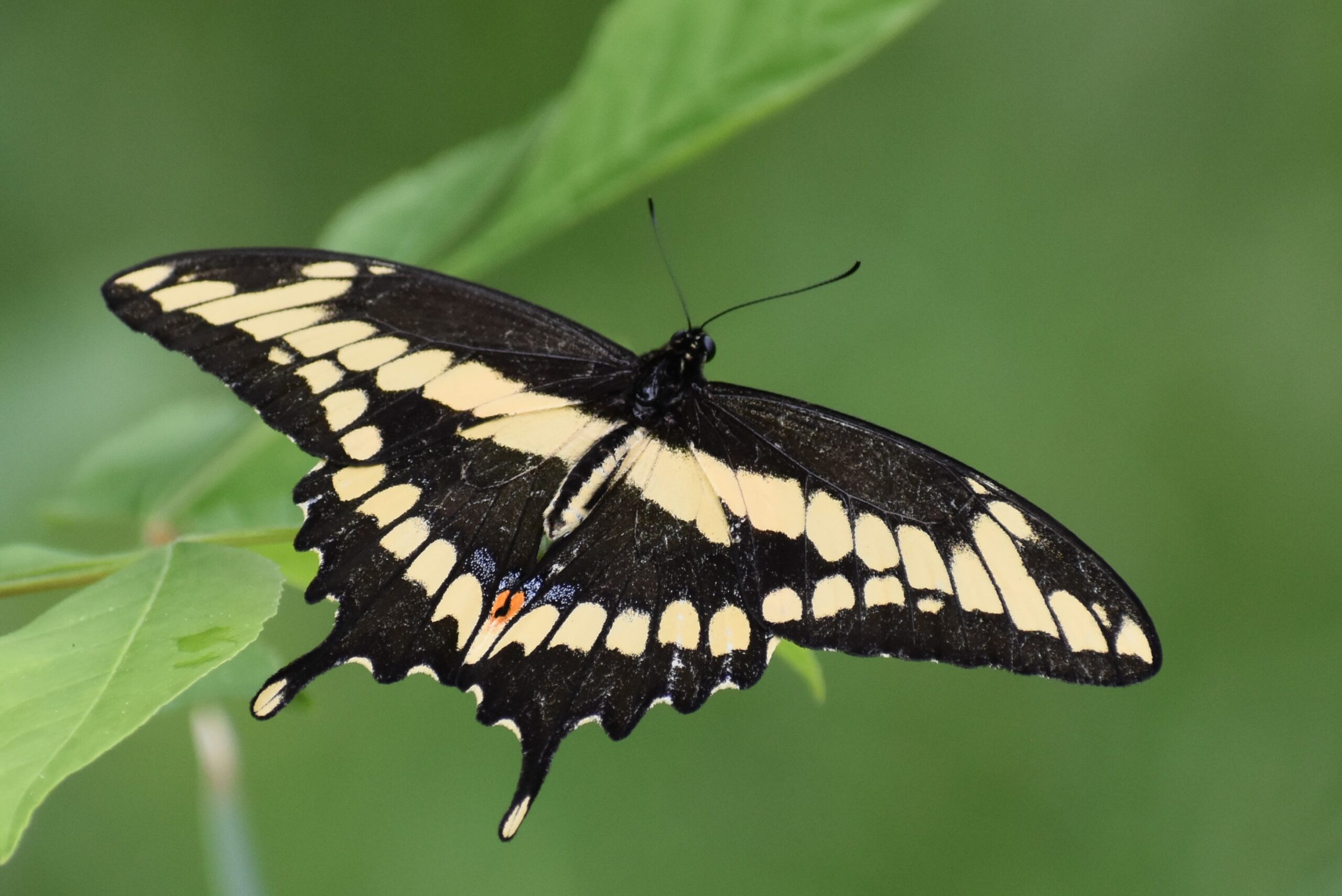
diversity data for butterfly studies by conducting two annual
Butterfly Counts in Renfrew County.
Contributing odonata
population and distribution data to the Toronto Entomologists
Association by conducting an annual dragonfly count.
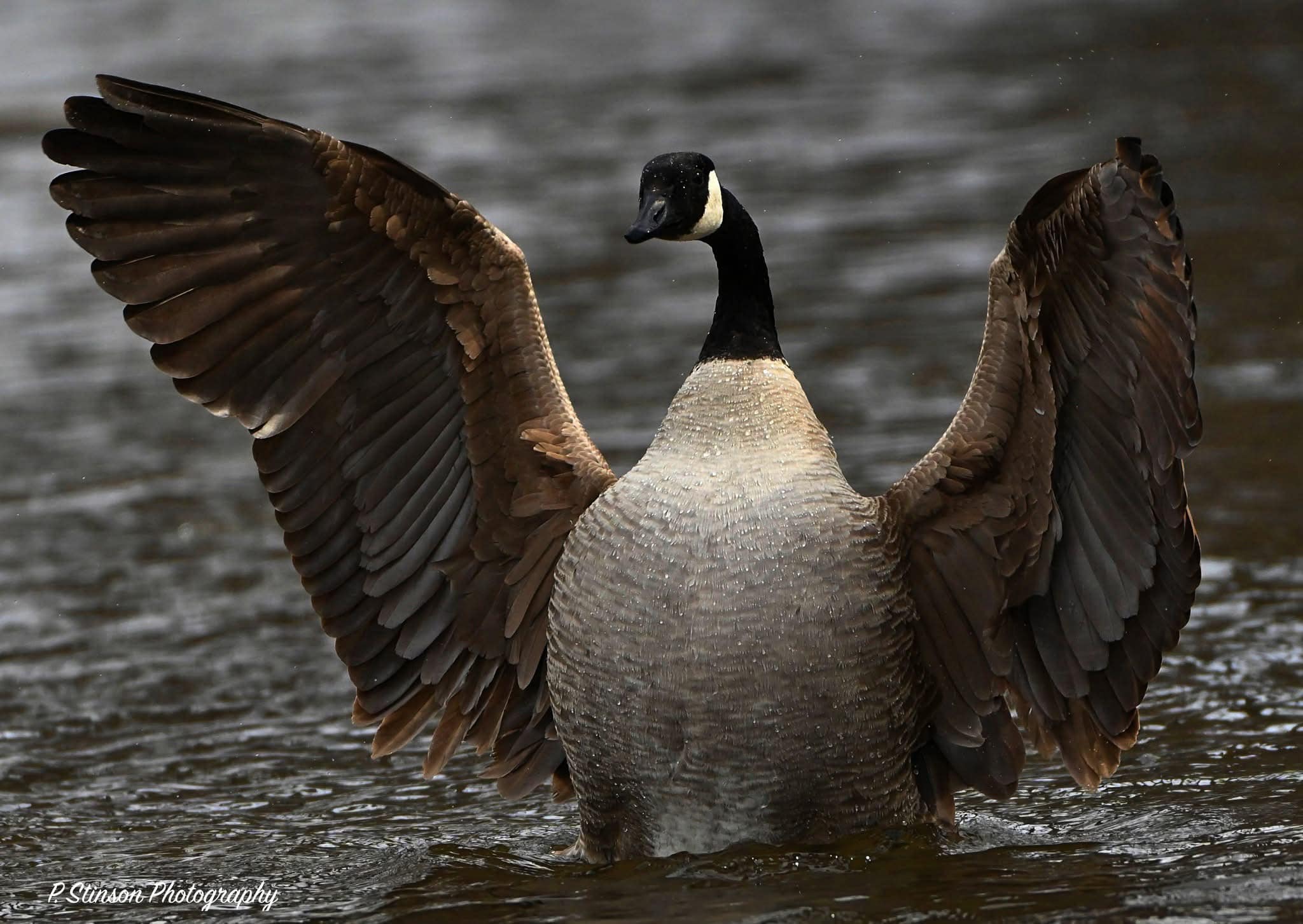
Conducting a winter
waterfowl survey on the Ottawa River in conjunction with the
Ministry of Natural Resources.
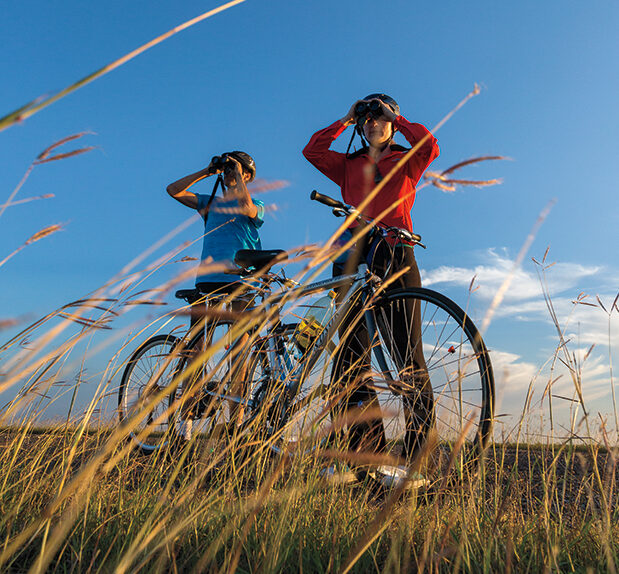
Leading a variety of public
field trips throughout the year to introduce and educate
participants to the biodiversity of our region.
Hosting open meetings with
educational presentations and guest speakers.
Participating in Renfrew
County Natural History Day.
Setting up an information display at
the Renfrew County Annual Outdoor Woodlot
Conference.
| |
Upcoming
Events
19th
Hog Island Butterfly Count
Date:
Saturday, July 17
(Rain
date: Sunday, July 18)
Time:
9 AM.
Organizer:
Chris Michener 625-2263.
Meet
at Mullen's Esso, Pembroke St. E., near the turn to Quebec. The
Count Circle for this
butterfly Count is half in Ontario and half in Quebec. In the past,
some groups have gone
to the Westmeath area; others have butterflied on Allumette Island.
You can choose
the area you prefer. Maps of the circle and checklists will be
available. A participants
fee (under 12 free) of $3 is asked to cover publishing
costs.
The 13th Lake Dore Odonate
(Dragonfly) Count
Date:
Saturday, July 31 (Rain/wind date: Sunday, August 1)
Time:
9 AM.
Organizer:
Chris Michener, 625-2263.
An
excellent opportunity to appreciate this group of insects! We have
had fun with
nets
and encountered a good variety of damselflies and dragonflies. The
idea is to search for
'odes' within a 7.5 mile radius of Biederman Park, Lake Dore. Meet
at the Wilberforce Twp
Park. Go south on Hwy 41 past intersection of Hwy 41 and Lake Dore
Rd., cross the
bridge, turn right after the bridge and go a short distance to park.
Picture guides will be
available as well as experienced 'odonaters'. A large insect net,
optional rubber boots,
close
focus binoculars, and lunch/drinks are
suggested. |